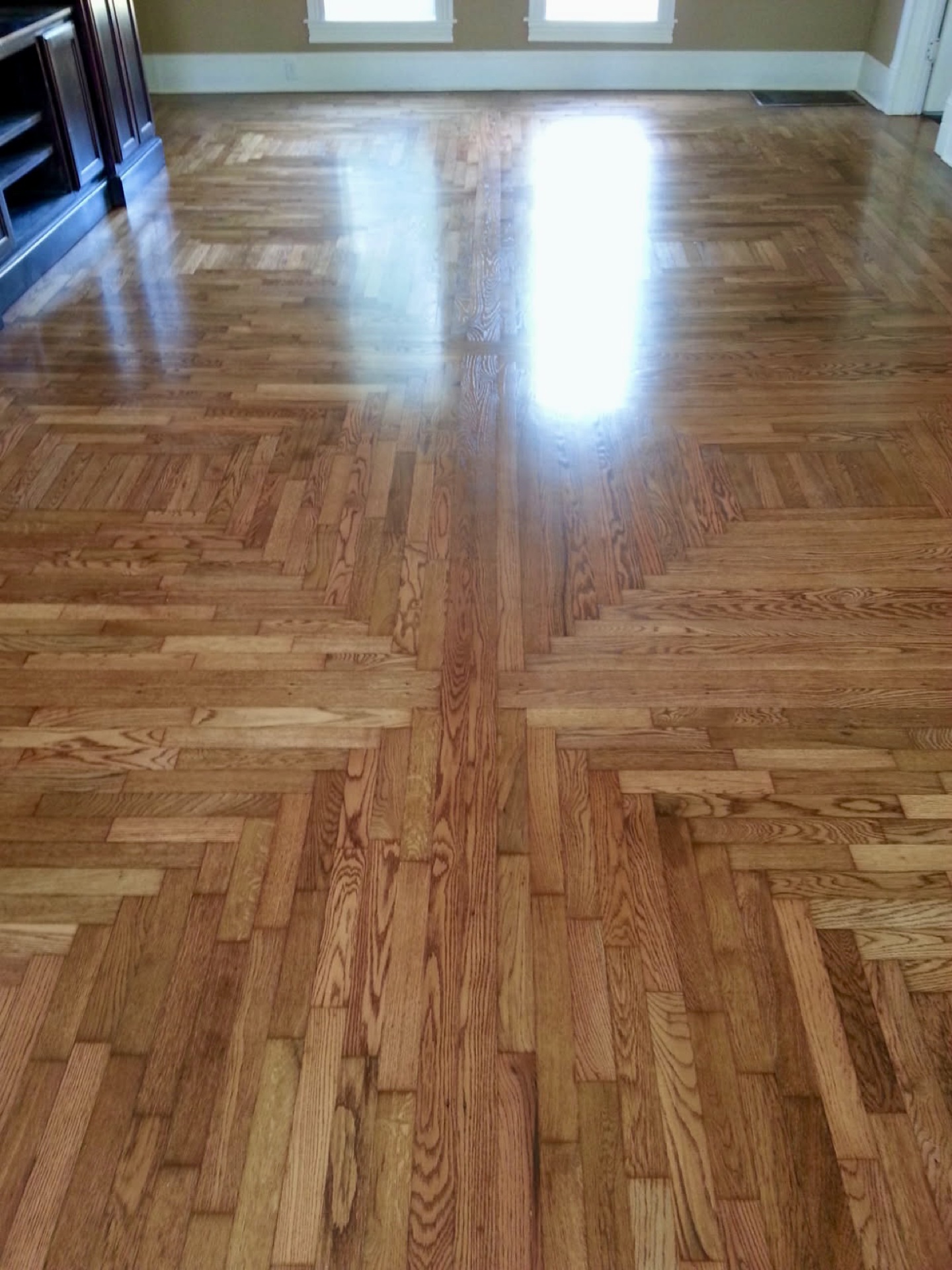
The finish you choose for your hardwood floors affects everything from daily appearance to long-term durability. With multiple options available, understanding the differences helps you make a choice that aligns with your lifestyle and aesthetic preferences. Here is a comprehensive comparison of hardwood floor finishes for Northwest Arkansas homeowners.
Understanding Floor Finish Categories
Hardwood floor finishes fall into two main categories: surface finishes that sit on top of the wood and penetrating finishes that soak into the wood fibers. Each approach offers distinct advantages and tradeoffs.
Surface finishes create a protective film over the wood. They offer strong protection against wear and moisture but show scratches more visibly. When damaged, they typically require sanding to refinish.
Penetrating finishes absorb into the wood and harden within the fibers. They look more natural and allow spot repairs, but they require more frequent maintenance and offer less protection against moisture.
Oil-Based Polyurethane
Oil-based polyurethane has been the standard floor finish for decades. It creates a hard, durable surface that protects against wear, moisture, and household chemicals.
Appearance. Oil-based poly adds an amber warmth to wood that many people find attractive. This warming effect enhances the richness of species like oak and walnut. Over time, the finish continues to amber slightly, which can be a benefit or drawback depending on your preferences.
Durability. This finish offers excellent protection against daily wear. It holds up well in high-traffic areas and resists scratching better than many alternatives. Properly applied oil-based poly can last seven to ten years before needing recoating.
Application. Oil-based polyurethane requires longer drying times between coats and produces strong odors during application. Most homes need to be vacated during the finishing process and for a day or two afterward. The extended cure time means being careful with the floors for several weeks.
Maintenance. Day-to-day care is simple: regular sweeping and occasional damp mopping. The finish does not require waxing or special treatments. When it eventually wears, refinishing involves sanding and reapplying.
Water-Based Polyurethane
Water-based polyurethane has improved significantly in recent years and now offers durability comparable to oil-based products while providing some distinct advantages.
Appearance. Water-based finishes dry clear, preserving the natural color of the wood without adding amber tones. This makes them ideal when you want to maintain the true color of lighter woods like maple or white oak, or when using gray or cool-toned stains.
Durability. Modern water-based polyurethanes are highly durable, though some products still fall slightly short of oil-based options in scratch resistance. Look for products specifically formulated for floor use with added hardeners.
Application. Water-based products dry much faster than oil-based, allowing multiple coats in a single day. The low odor means less disruption to your household. Many homeowners can remain in the home during application with proper ventilation.
Environmental considerations. Water-based finishes contain fewer volatile organic compounds, making them more environmentally friendly and easier to work with in terms of air quality.
Hardwax Oil
Hardwax oil represents a European finishing tradition that has gained popularity in American homes. It offers a distinctive look and practical benefits that appeal to many homeowners.
Appearance. Hardwax oil penetrates the wood and creates a natural, matte finish that showcases the wood texture and grain. The floor feels like wood rather than like a plastic coating. This finish is prized in contemporary and Scandinavian-inspired designs.
Durability. While hardwax oil provides reasonable protection against wear, it does not match polyurethane in high-traffic resistance. It works well in bedrooms and lower-traffic living areas but may show wear faster in entries and kitchens.
Repairability. This is where hardwax oil shines. Scratches and worn areas can be spot-repaired without refinishing the entire floor. Simply clean the area, apply more oil, and buff. This makes long-term maintenance much simpler.
Maintenance. Hardwax oil floors require periodic reapplication of maintenance oil to keep them looking their best. This is simple work that homeowners can do themselves, typically once or twice per year in high-use areas.
Conversion Varnish
Conversion varnish, sometimes called Swedish finish or acid-cured finish, represents the most durable option available for hardwood floors.
Appearance. Conversion varnish provides a clear finish with minimal ambering. It can achieve very high gloss levels that some commercial and traditional residential applications desire.
Durability. Nothing matches conversion varnish for hardness and wear resistance. It is the finish of choice for commercial applications and homes expecting extremely heavy use. The finish bonds exceptionally well to the wood.
Application challenges. Conversion varnish requires professional application with specialized equipment and safety precautions. The chemicals involved are hazardous, and the home must be vacated during application. The skill required for proper application limits who can offer this finish.
Cost. The specialized nature of conversion varnish makes it more expensive than polyurethane options. For most residential applications, the additional cost may not be justified given that quality polyurethane meets typical homeowner needs.
Penetrating Oil Finishes
Pure penetrating oils, such as tung oil or linseed oil, offer the most natural look possible but require significant commitment to maintenance.
Appearance. Oil finishes enhance the wood natural beauty without any surface buildup. The floor looks and feels exactly like bare wood, just protected. This appeals to purists and those seeking a specific aesthetic.
Protection. Penetrating oils offer minimal protection compared to film-forming finishes. They slow moisture absorption and make cleaning easier than bare wood, but they will not prevent scratches or dents.
Maintenance. These floors require regular oiling, sometimes as frequently as every few months in high-use areas. The maintenance becomes part of the homeowner routine, similar to caring for fine furniture.
Best applications. Pure oil finishes work best in specific situations: historic restorations, spaces with light use, or for homeowners committed to the maintenance routine who value the natural aesthetic above all else.
Factors to Consider for Your Choice
Selecting the right finish involves weighing several factors specific to your situation.
Traffic level. High-traffic homes with children and pets generally benefit from the durability of polyurethane finishes. Lower-traffic homes or specific rooms have more flexibility.
Aesthetic preferences. Do you prefer the plastic-like protection of a surface finish or the natural feel of a penetrating finish? There is no wrong answer, just personal preference.
Wood species. Some finishes pair better with certain species. Light woods often look best with water-based poly to maintain their color. Rich species like walnut can handle oil-based amber tones well.
Maintenance willingness. Be honest about how much ongoing maintenance you will actually perform. Hardwax oil sounds appealing, but if you will not apply maintenance oil regularly, polyurethane may serve you better.
Budget. Both initial cost and long-term maintenance costs matter. A cheaper finish that needs refinishing sooner may cost more over time than investing in quality upfront.
Sheen Levels
Regardless of finish type, you will also choose a sheen level, which affects how light reflects off the surface.
Matte and satin finishes minimize the appearance of scratches, dust, and imperfections. They are currently the most popular choice for residential floors and work well with both traditional and contemporary designs.
Semi-gloss offers a moderate shine that highlights the wood color and grain. It shows more wear but is easier to clean.
High gloss creates a dramatic, formal look but shows every scratch, footprint, and dust particle. It requires more frequent cleaning to maintain appearance.
Our Recommendation Process
When we work with Northwest Arkansas homeowners, we discuss their specific situation before recommending a finish. We consider your home use patterns, your design goals, and your maintenance preferences. The right finish for a formal living room differs from the right choice for a family home main living area.
We work with all the finish types discussed here and can help you understand how each will perform in your specific situation.
Need Help Choosing a Finish?
We will help you select the perfect finish for your lifestyle and aesthetic goals. Contact us for a consultation.
Get Expert Guidance